
Hanford voters rejected Measure T, the city’s proposed hotel tax increase, but the larger question now is whether residents are being given the full picture on future park and recreation funding.
According to a KSEE/KGPE report by Briana Byus, Hanford’s Measure T would have raised the city’s Transient Occupancy Tax, also known as the hotel tax, from 8% to 12%. The report stated that the increase would have generated an additional $375,000 per year for the city’s general fund.
Hanford Recreation and Community Services Director Brad Albert told KSEE/KGPE that the TOT was one of the city’s strategies to find additional funding.
“The TOT was one of those strategies to try to find funding for our community,” Albert said in the report.

Albert also stated that the money would have gone into the general fund, where the Hanford City Council would decide how to spend it.
“It was going to be a general fund so it could be distributed. That’s decided by our city council and what they decide the needs are,” Albert said.
Voters rejected the measure Tuesday.
Now, according to the same KSEE/KGPE report, the city is looking at another possible ballot measure focused on recreation-based projects.
“We went out to poll for a potential ballot measure for recreation-based projects,” Albert said.
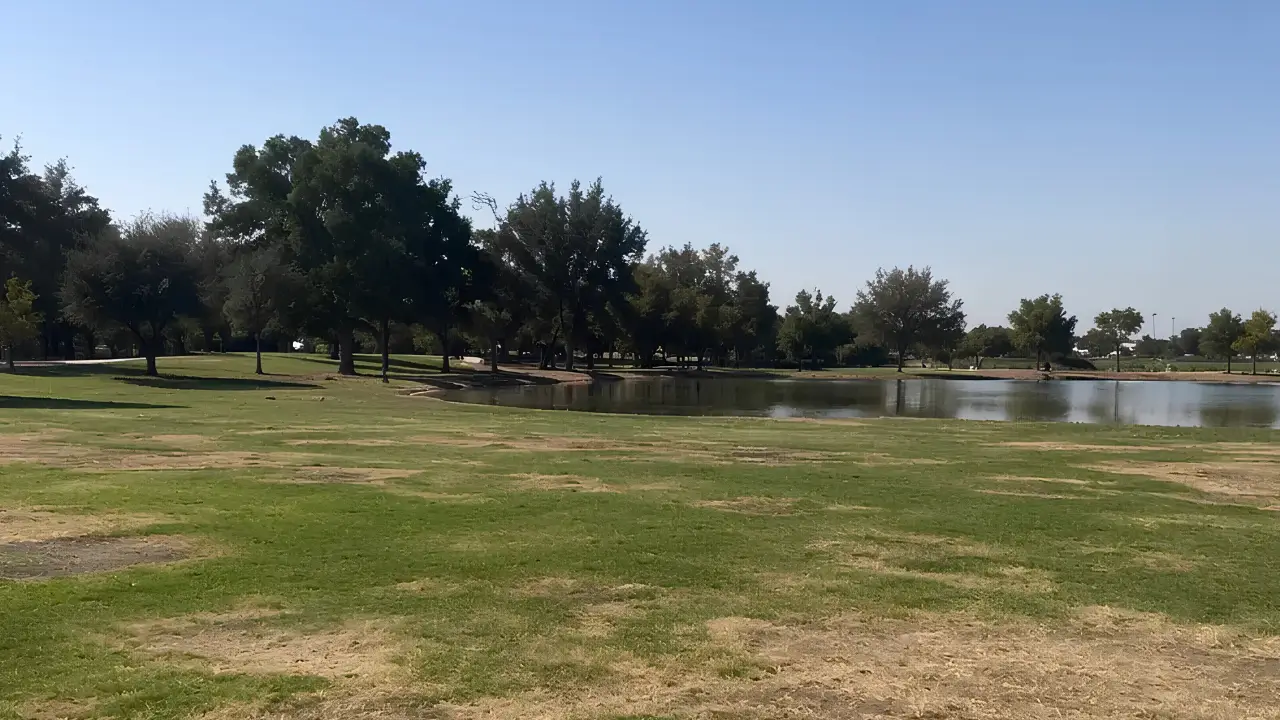
The report stated that the city wants to expand Hidden Valley Park by building on the 18-acre lot next to the park. It also stated that the city wants to build a multi-generational center. According to the report, those projects would cost around $30 million.
However, that number raises questions when compared to the information presented as part of the city’s broader park and recreation funding discussion.
According to the project cost breakdown, the Hanford City Council is exploring funding options for major park and recreation projects totaling approximately $70.7 million. That total includes the expansion of Hidden Valley Park, construction of a multi-generational community center, and the full build-out of Heroes Park.
The estimated project costs are listed as follows:
Hidden Valley Park expansion: approximately $18.7 million.
Multi-generational community center: approximately $36 million.
Heroes Park full build-out: approximately $16 million.
Total estimated cost: approximately $70.7 million.
That is a major difference from the $30 million figure reported in the KSEE/KGPE story.
So what is the real number?
Is the city discussing a $30 million plan, or is the larger long-term funding need closer to $70.7 million? Is the $30 million figure only referring to part of the recreation plan? Are all proposed funds intended for park and recreation projects, or could some of the money be used for broader city purposes depending on how the measure is written?
Those are questions Hanford residents deserve to have answered clearly before any new tax, bond, or parcel tax proposal is placed before voters.
The city is reportedly considering 3 possible funding options: a sales tax increase, a parcel tax, or a bond measure.
A sales tax increase could generate up to $13.3 million per year. The estimated cost to households is listed between $44 and $176 per year. The breakdown also states that a large portion of the revenue could be paid by visitors and business spending. A general sales tax would require 50% voter approval, while a special tax would require 2/3 voter approval.
A parcel tax is another option being considered. That option would charge a flat yearly tax per property, estimated between $26 and $128 per year. It could generate up to $2.5 million per year and would require 2/3 voter approval.
A bond measure is also being discussed. A bond would provide large upfront funding for construction, but it would be paid back over time with interest. The estimated cost to homeowners would range from about $20 to $101 per year, depending on the bond amount. A bond measure would also require 2/3 voter approval.
The concern for voters is simple: the numbers do not appear to match.
On one hand, the public report says the city’s proposed recreation projects would cost around $30 million. On the other hand, the broader project breakdown lists approximately $70.7 million in park and recreation projects.
That difference matters.
Hanford residents may support better parks, expanded recreation space, and a multi-generational community center. However, support for parks does not erase the need for transparency. Voters should know exactly what projects are included, how much each project is expected to cost, how the money would be collected, and whether the funds would be legally restricted to those specific projects.
Measure T already failed. That means voters rejected the city’s request to raise the hotel tax and place the additional money into the general fund.
Now, if the city moves forward with another funding measure in November, residents will likely want more direct answers.
Is the city asking for $30 million or $70.7 million?
Will the money be used only for park and recreation projects?
Will the funding be placed in the general fund, or will it be legally restricted?
How much will each household pay?
How much debt or long-term obligation would a bond create?
And why are different numbers being presented to the public?
The KSEE/KGPE report also included comments from Hanford resident Jesus Aguilera, who said he supports more attention being given to public parks.
“I agree they have to, you know, pay more attention in these public parks because a lot of families come to have nice moments right here, you know, like me and my daughter,” Aguilera said.
Several residents also told YourCentralValley.com they would support the city’s idea to invest in recreational areas, even if it means raising taxes.
At the same time, other residents may view this debate in the larger context of rising household costs. Many citizens have already expressed frustration with new or increased local costs, including refuse fees, utility costs, and the rising price of everyday needs such as food.
That frustration could become part of the conversation heading into the November election. Council Member Travis Paden and Mayor Mark Kairis are both on the ballot this November, giving voters the opportunity to decide whether they support the current direction of the city or want a change in leadership.
Some residents may view Paden and Kairis as leaders making necessary decisions for Hanford’s future, while others may see the proposed taxes, fees, and funding measures as a reason to support a different direction.
Either way, the failure of Measure T shows that Hanford voters are paying attention. With another possible tax, parcel tax, or bond measure being discussed for November, the election could become a larger referendum on the city’s direction, its spending priorities, and whether residents trust City Hall’s plan for the future.
According to KSEE/KGPE, the city will present the results of its poll during the June 16 City Council meeting at 4 p.m. Residents can participate during public comment to share their thoughts.
The city has stated that if the poll results are positive, the plan could go on the ballot in November.
For now, Hanford voters have already spoken on Measure T. The hotel tax increase failed.
The next issue is whether the city can clearly explain its next proposal before asking voters to approve another tax, parcel tax, or bond measure. If the city wants public support, residents will likely need clear answers about the true cost, the funding structure, and exactly how the money would be used.
What do you think Hanford should do next, move forward with another tax or bond measure, or find another way to fund park improvements?

Join the Conversation
Join the Conversation
Log in with Google, Facebook, or your WordPress account to leave a comment.
Support KNN
Choose your support amount
Enjoying local news? Support King's Network News and help keep independent community coverage moving forward.
Donate with Cash AppSupport KNN local news
Prefer to scan? Use the Cash App QR code below.


Francisco Ramirez

Francisco Ramirez Jr. is the founder of Kings Network News and creator of Kings Network Business, a platform focused on community engagement, local business support, and digital media innovation across California’s Central Valley.
A former Mayor of Hanford, California, Ramirez launched the popular Winter Wonderland event and brings more than 20 years of experience in business consulting, media strategy, marketing, and entrepreneurship. He is also a motivational speaker, strategist, author, podcaster, and experienced web and graphic designer.
Ramirez created The Invisible Kid: Courage to Succeed, an anti-bullying and self-esteem seminar that has inspired youth throughout the region. Through journalism, consulting, and community-driven projects, he continues working to inform, inspire, and empower others to grow, lead, and make a positive impact.










Join the conversation
Share your thoughts on this story.
Be the first to share your thoughts on this story.