

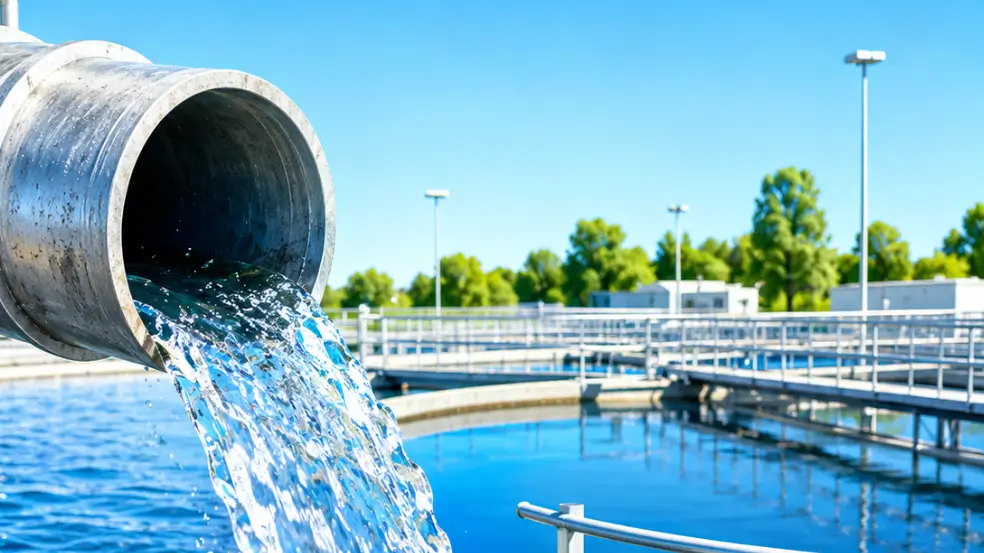
HANFORD, Calif. — Hanford residents are once again facing higher wastewater bills after the City Council moved forward Tuesday night with another proposed rate increase, even though sewer rates were already raised under the City’s previous rate plan.
The vote does not immediately raise rates, but it begins the formal process required before any increases can take effect. The proposed increases are tied to a nearly $60 million wastewater treatment facility upgrade, along with additional maintenance and infrastructure projects throughout the city’s sewer system.
What Did the Council Approve?
In simple terms, the Council approved moving forward with the Proposition 218 notification process, which requires the City to notify property owners and ratepayers of the proposed increases and provide an opportunity for public protest before any new rates can be adopted.
Council members selected Option 2, which city consultants described as the lower-cost financing option over the long term.

During the discussion, Council Member Travis Paden made the motion to move forward with Option 2 and begin the Proposition 218 process. The motion was seconded by Council Member Lou Martinez and ultimately approved by the Council.
While Option 2 results in larger increases for customers in the early years, consultants estimate it would save the City approximately $8.08 million in financing costs compared to Option 1.
What Could This Mean for Your Monthly Bill?
For many residents, the biggest question is simple:
How much more will I pay?

According to the presentation provided to the City Council, the average single-family residential wastewater bill would increase as follows:
| Date | Monthly Rate |
|---|---|
| Current Approved Rate | $32.50 |
| Sept. 1, 2026 | $39.00 |
| July 1, 2027 | $46.80 |
| July 1, 2028 | $53.82 |
| July 1, 2029 | $57.59 |
| July 1, 2030 | $60.47 |
In practical terms, the average residential sewer bill could increase by nearly 86 percent between today and 2030.
Why Does the City Say the Increase Is Necessary?
City officials and consultants say the wastewater system faces significant infrastructure needs that have accumulated over time.
According to the staff report, the wastewater fund must pay for:
- Upgrades to the wastewater treatment facility
- Aging infrastructure repairs
- Sewer pipeline rehabilitation
- Lift station improvements
- Deferred maintenance projects
- Future operational costs
- Debt financing related to the wastewater treatment project
The report also notes that some maintenance work has been delayed for years and that additional investments are needed to catch up with the city’s aging sewer system.
The wastewater treatment project itself carries an estimated financing amount of approximately $59.5 million.
Why Did the Council Choose Option 2?
Council members had two primary financing options before them.
Option 1
- Lower increases initially
- Uses capitalized interest
- Spreads costs out over time
- Costs approximately $8 million more over the life of the debt
Option 2
- Higher increases upfront
- No capitalized interest
- Lower overall financing cost
- Estimated savings of approximately $8.08 million over the life of the debt
Consultants explained that Option 2 follows a “pay now rather than pay later” approach, reducing long-term interest expenses while requiring residents to absorb larger increases sooner.
Can Residents Still Stop the Increase?
Yes.
The Council’s action on Tuesday does not automatically approve the new rates.
Under California’s Proposition 218 process, property owners and ratepayers have the right to submit written protests against the proposed increase.
If a majority of affected property owners or ratepayers submit valid written protests, the City cannot implement the proposed rate increase.
In other words, residents still have an opportunity to make their voices heard before any final decision is made.
What Happens Next?
The process now moves to the next phase:
- July 2, 2026: Proposition 218 notices are expected to be mailed to property owners and customers.
- August 18, 2026: Public hearing and protest deadline.
- September 1, 2026: New rates could take effect if a majority protest is not received.
Residents should carefully review any notice they receive and pay close attention to protest instructions and deadlines.
The Bigger Question
Supporters of the proposal argue that investing now could prevent larger infrastructure failures and more costly repairs in the future.
Critics may question whether residents, already dealing with rising costs for housing, groceries, insurance, and utilities, can absorb another significant increase in their monthly bills.
With the Proposition 218 process now underway, the final outcome may ultimately depend on how many residents choose to participate.
What Do You Think?
Do you support the proposed wastewater rate increases if they help modernize Hanford’s aging sewer infrastructure, or should city leaders explore other options before asking residents to pay substantially more each month?

Join the Conversation
Join the Conversation
Log in with Google, Facebook, or your WordPress account to leave a comment.
Support KNN
Choose your support amount
Enjoying local news? Support King's Network News and help keep independent community coverage moving forward.
Donate with Cash AppSupport KNN local news
Prefer to scan? Use the Cash App QR code below.


Francisco Ramirez

Francisco Ramirez Jr. is the founder of Kings Network News and creator of Kings Network Business, a platform focused on community engagement, local business support, and digital media innovation across California’s Central Valley.
A former Mayor of Hanford, California, Ramirez launched the popular Winter Wonderland event and brings more than 20 years of experience in business consulting, media strategy, marketing, and entrepreneurship. He is also a motivational speaker, strategist, author, podcaster, and experienced web and graphic designer.
Ramirez created The Invisible Kid: Courage to Succeed, an anti-bullying and self-esteem seminar that has inspired youth throughout the region. Through journalism, consulting, and community-driven projects, he continues working to inform, inspire, and empower others to grow, lead, and make a positive impact.









Join the conversation
Share your thoughts on this story.
Be the first to share your thoughts on this story.