
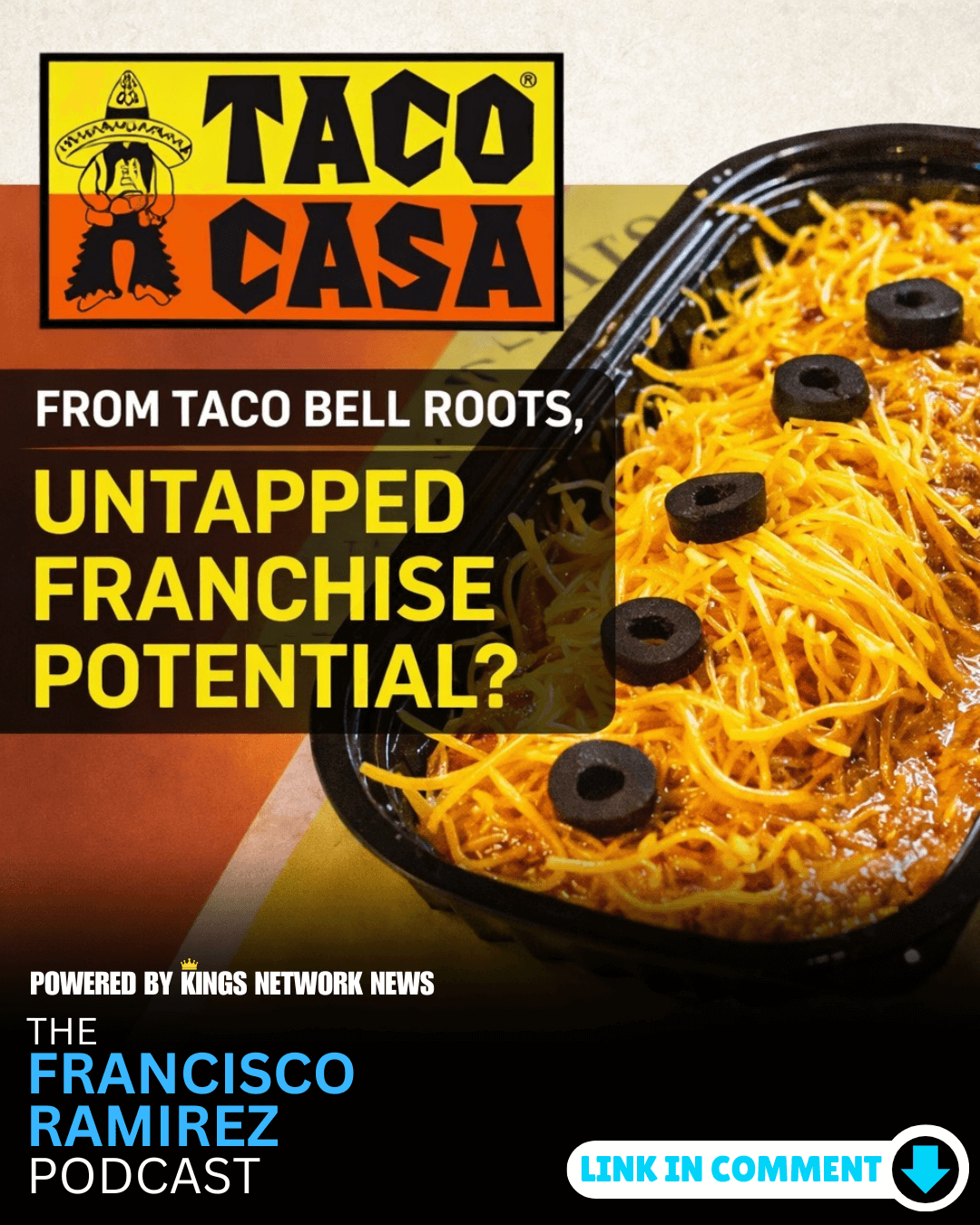
While Taco Bell expanded into a global fast food brand, a smaller Texas based chain built on a similar menu philosophy has quietly sustained a loyal following for more than 50 years.
Taco Casa was founded in 1972 by Roy Richardson, a former Taco Bell franchisee who operated multiple locations in Texas before launching an independent concept in Odessa. After parting ways with Taco Bell, Richardson chose to preserve the style of Mexican American fast food that had originally drawn customers to the category, a decision that continues to shape the brand’s identity today.
From the outset, Taco Casa emphasized simplicity, speed, and consistency. Its menu includes items recognizable to longtime fast food diners, though sold under its own branding. One of its best known offerings is the Chilada, Taco Casa’s version of what Taco Bell once marketed as the Enchirito. The dish features seasoned beef, beans, cheese, and red sauce wrapped in a soft tortilla. Another staple is the Super Salad, the chain’s take on the traditional taco salad served in a crisp tortilla shell.
Unlike many national chains that frequently rotate limited time offerings, Taco Casa has largely kept its menu unchanged. The company operates primarily in Texas and neighboring states, remaining privately held and focused on operational efficiency rather than rapid national expansion. Industry analysts often cite this approach as a key factor behind the brand’s longevity. By controlling costs, limiting menu complexity, and cultivating repeat customers, Taco Casa has remained profitable without extensive advertising or aggressive franchising.
From a business perspective, this type of operational consistency is often undervalued. As a consultant who has worked across a wide range of negotiations and helped clients launch new ventures, I often advise against reinventing the wheel when a proven model already exists. Brands with long operating histories and recognizable products can significantly reduce startup risk, particularly when introduced into markets where they are absent.
That absence is evident in California. Taco Casa currently has no locations in the state, leaving markets such as the Central Valley untouched. Business observers note that regions like Kings County combine steady population growth with strong demand for affordable dining, conditions that have historically favored familiar fast food concepts. Introducing a brand like Taco Casa into such a market would not require educating consumers from scratch. Many of the products already feel familiar due to their historical ties to early Taco Bell offerings.

Franchise opportunities remain available, though the company has historically expanded cautiously, favoring owner operators with hands on involvement. That measured growth strategy has helped preserve brand identity but has limited broader visibility. In markets like California, however, that same restraint could create first mover advantages for early franchisees willing to establish a foothold.
The broader business implications of Taco Casa’s model, including its origins, menu strategy, and expansion potential, are explored in greater depth on The Francisco Ramirez Podcast, where discussions focus on how regional food brands can generate meaningful returns when aligned with the right local markets and ownership structures.

More than five decades after its founding, Taco Casa continues to operate largely outside the national spotlight. Its longevity suggests that in fast food, consistency and familiarity can be as valuable as scale, and that the right concept, placed in the right market, can still represent a golden opportunity.

Join the Conversation
Join the Conversation
Log in with Google, Facebook, or your WordPress account to leave a comment.
Support KNN
Choose your support amount
Enjoying local news? Support King's Network News and help keep independent community coverage moving forward.
Donate with Cash AppSupport KNN local news
Prefer to scan? Use the Cash App QR code below.


Francisco Ramirez

Francisco Ramirez Jr. is the founder of Kings Network News and creator of Kings Network Business, a platform focused on community engagement, local business support, and digital media innovation across California’s Central Valley.
A former Mayor of Hanford, California, Ramirez launched the popular Winter Wonderland event and brings more than 20 years of experience in business consulting, media strategy, marketing, and entrepreneurship. He is also a motivational speaker, strategist, author, podcaster, and experienced web and graphic designer.
Ramirez created The Invisible Kid: Courage to Succeed, an anti-bullying and self-esteem seminar that has inspired youth throughout the region. Through journalism, consulting, and community-driven projects, he continues working to inform, inspire, and empower others to grow, lead, and make a positive impact.











Join the conversation
Share your thoughts on this story.
Be the first to share your thoughts on this story.