
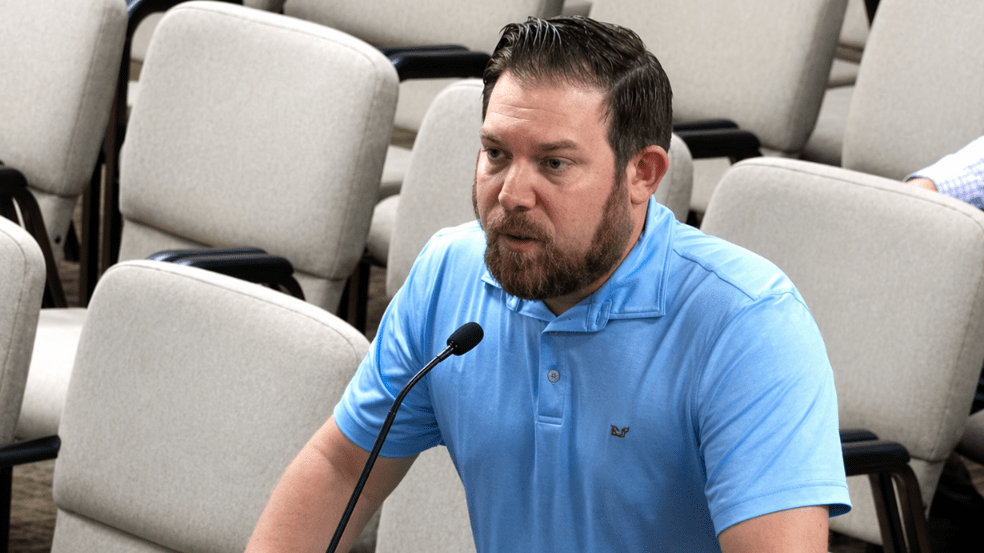
Tensions rose during Tuesday night’s Hanford City Council discussion as questions of trust, representation, and community priorities took center stage, particularly surrounding parkland, Measure H funding, and the possibility of additional taxes.
Following public comment, Vice Mayor Nancy Howze addressed the audience and drew immediate attention when she stated she did not see the same demographic in the council chambers as those who regularly use city parks. While she clarified her comments were not meant to discredit those in attendance, the statement raised concerns among speakers who felt their presence reflected years of direct involvement with the community.

In reality, many of those seated in the audience were not disconnected observers. Several were former commissioners, including former Hanford Parks and Recreation Commissioner Cheyne Strawn and former Parks Commissioner Mickey Stoddard, both of whom spoke during the meeting. Current Parks Commissioner Judy Scott was also in attendance and provided input. Alongside them were longtime community members such as Bob Ramos, as well as former mayor Francisco Ramirez, who actively supported youth programming and community events like Kids Fest, which once brought families together in large numbers but is no longer active today.
Those who spoke were not random voices. Individuals like Cheyne Strawn, Mickey Stoddard, Judy Scott, Bob Ramos, and others have longstanding ties to Hanford and have spent years, in some cases decades, advocating for parks and community improvements. Many have served in official roles or have consistently engaged with residents, making their input a direct reflection of community sentiment. Their presence highlighted that those speaking had a vested interest in the betterment of the community.
Criticism from attendees centered on a key point. The voices in the room were not isolated opinions, but reflections of the broader community. Local leaders and former commissioners often served as direct links to residents, gathering feedback from families who regularly used parks and recreational spaces. To suggest otherwise, some argued, overlooked the very role these individuals played in representing public interests.
Vice Mayor Nancy Howze also emphasized the need to “hear from the humans,” referencing the broader population of Hanford beyond those attending meetings. That statement raised immediate questions from those in attendance. If the people who showed up, spoke, and have historically represented community voices are not considered part of that group, then who is? The comment left some wondering how those present were being characterized, especially given their years of direct service and engagement with local residents.

Public comment throughout the evening reinforced a consistent theme. Residents are feeling overwhelmed. Concerns about rising taxes, fees, and new proposals were repeated multiple times, alongside a growing sense of mistrust toward city leadership. Several speakers described the community as exhausted by ongoing financial demands and called for rebuilding trust before pursuing any new funding measures.
After public comment, Mayor Mark Kairis addressed funding concerns and acknowledged that only 5% of Measure H is tied to parks. He stated that 5% of Measure H funding is “never going to raise $77 million,” reinforcing his position that existing allocations are not enough to support major park expansion or large-scale projects.
He also made a direct statement regarding future decisions:
“You want that land converted into parkland, then vote in favor of it.”
For many in attendance, those statements raised additional concerns. If the current structure of Measure H is not producing the level of park funding that residents expected, critics argue that responsibility lies within how those funds were allocated and managed. The council established the framework and works alongside the oversight process, and some believe adjustments could have been made to better reflect voter intent.
At the same time, the mayor’s comment about voting signaled a broader implication. Some interpreted it to mean that without voter approval of a new measure, the future of the land could remain uncertain, or potentially shift away from park use altogether.
For many, the idea of introducing new taxes while existing funding is not aligned with voter expectations raises serious concerns. The argument from residents is straightforward. If the structure in place is not delivering on what was presented to voters, then the issue lies within budgeting decisions and oversight, not in asking the public to contribute more.
Underlying the entire discussion is a broader concern about accountability and trust. Longstanding issues like the expansion of Hidden Valley Park remain unresolved despite past direction, and residents continue to question whether their input is being acted upon.
I Need to Hear From the Humans” – Vice Mayor Nancy Howze
Mayor Mark Kairis: “Only 5% of Measure H Goes to Parks
Citizens Voice Frustration Over Taxes, Rate Hikes, and Mistrust in Current City Council

Join the Conversation
Join the Conversation
Log in with Google, Facebook, or your WordPress account to leave a comment.
Support KNN
Choose your support amount
Enjoying local news? Support King's Network News and help keep independent community coverage moving forward.
Donate with Cash AppSupport KNN local news
Prefer to scan? Use the Cash App QR code below.

Francisco Ramirez

Francisco Ramirez Jr. is the founder of Kings Network News and creator of Kings Network Business, a platform focused on community engagement, local business support, and digital media innovation across California’s Central Valley.
A former Mayor of Hanford, California, Ramirez launched the popular Winter Wonderland event and brings more than 20 years of experience in business consulting, media strategy, marketing, and entrepreneurship. He is also a motivational speaker, strategist, author, podcaster, and experienced web and graphic designer.
Ramirez created The Invisible Kid: Courage to Succeed, an anti-bullying and self-esteem seminar that has inspired youth throughout the region. Through journalism, consulting, and community-driven projects, he continues working to inform, inspire, and empower others to grow, lead, and make a positive impact.











Join the conversation
Share your thoughts on this story.
Be the first to share your thoughts on this story.